Instinct gets a bad name in retail, and it does not entirely deserve it. The best commercial operators carry a feel for their categories that took decades to build, and it is real knowledge: pattern recognition trained on thousands of range reviews, listings, and launches. The problem was never instinct. The problem is that instinct has been doing a job it was never suited to, which is standing in wherever the data runs out.
And the data runs out early. EPOS data shows a singular historical scenario, so the moment a decision involves anything that has not already happened, a new product, a restructured range, an untested price, the evidence goes quiet and judgement takes over. Commercial calls run on instinct not because anyone prefers it that way, but because for most of retail’s history there was nothing else to run them on. Millions have been wasted on expensive mistakes that felt right in the room, and the honest truth is that they were made with the best evidence available at the time.
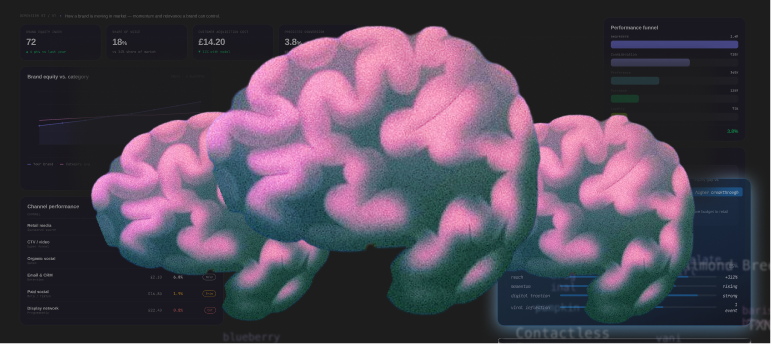
That is the condition that is ending. Breakthrough’s predictive infrastructure models the futures the historical data cannot reach: how the range performs restructured, how the category responds to the listing, how shoppers meet the price. The scenarios that used to be settled by the most confident voice in the room can now be simulated with evidence, grounded in what shoppers do next.
This does not retire judgement. It changes what judgement is for. Experience stops being asked to guess outcomes, which models do better, and goes back to the work only experience can do: framing the right question, reading the retailer relationship, deciding what the business is willing to risk. The gut-feel era is not ending because instinct failed. It is ending because instinct finally has something to check itself against, and the operators who use it will beat the ones who do not.